

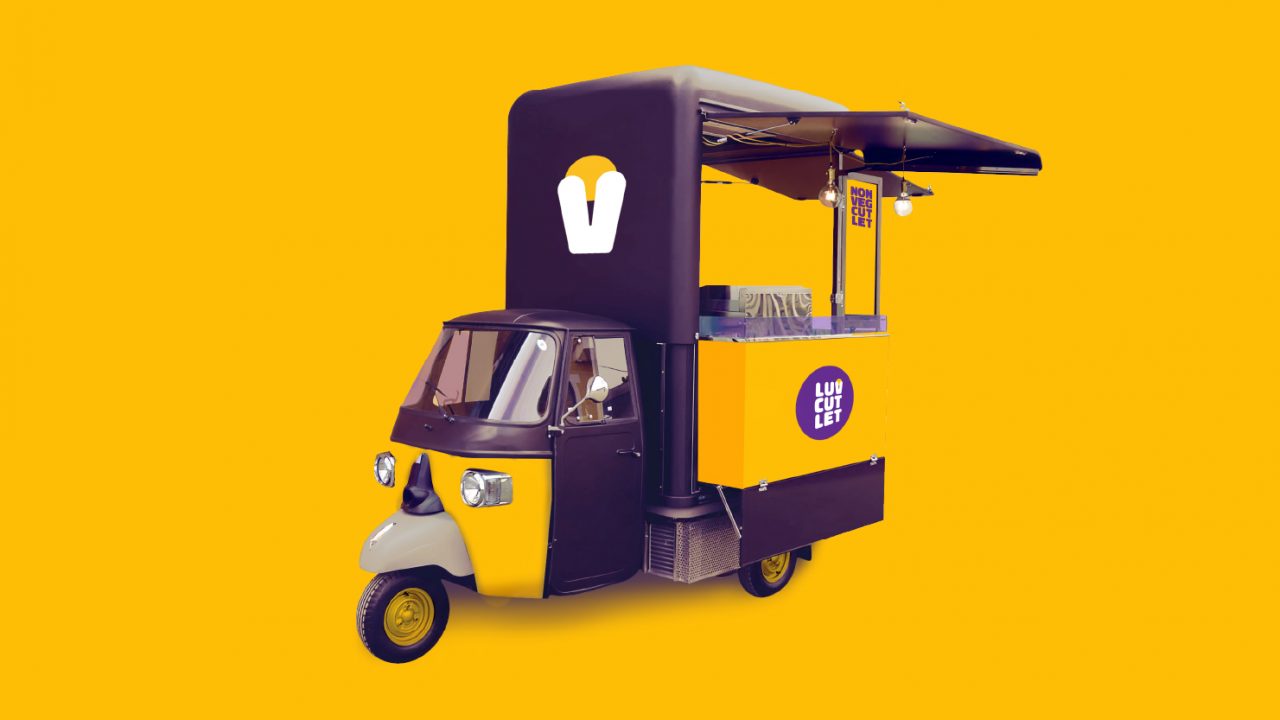
Luvin was 21 when he came to us.
He had a plan, A Food Truck business in Kochi, Kerala. He had multiple items on the menu. Safe, familiar, the kind of thing you’ve seen on a hundred street corners. Nothing risky, nothing that needed too much thinking.
We told him,
scrap the whole idea.
Not because it was a bad idea, but because we saw something he hadn’t seen yet.
The thing
nobody had done
India’s food space is one of the most crowded in the world. Walk down any commercial street and you’ll find the same story everywhere, more items, more options, more of the same. But when we started looking at what was actually missing, one thing kept coming up. India has brands for burgers. For pizzas. For fried chicken. Entire brand universes built around foods that aren’t even native to this country.
But cutlets? Cutlets are in every tea shop, every bakery, every home kitchen, every evening gathering across the country. It’s comfort food that cuts across generations, regions, income levels. Everyone has a cutlet memory.
And nobody had ever built a brand around it.
Not one. That was the gap. Not a small gap either. A wide open, completely unoccupied space in a market that everyone thought was already full.
What we actually did?
Most people assume branding starts with a logo. Pick a name, design something nice, put it on a board, open the shop.
That’s not where we started with Luvin.
Before any design happened, we spent time understanding the market, the opportunity, the customer, and what this brand needed to stand for to actually mean something to people. That work the positioning, the thinking, the clarity that’s the part most founders skip. And it’s the part that determines whether everything else works.
Once we knew what we were building and why, the rest followed naturally.
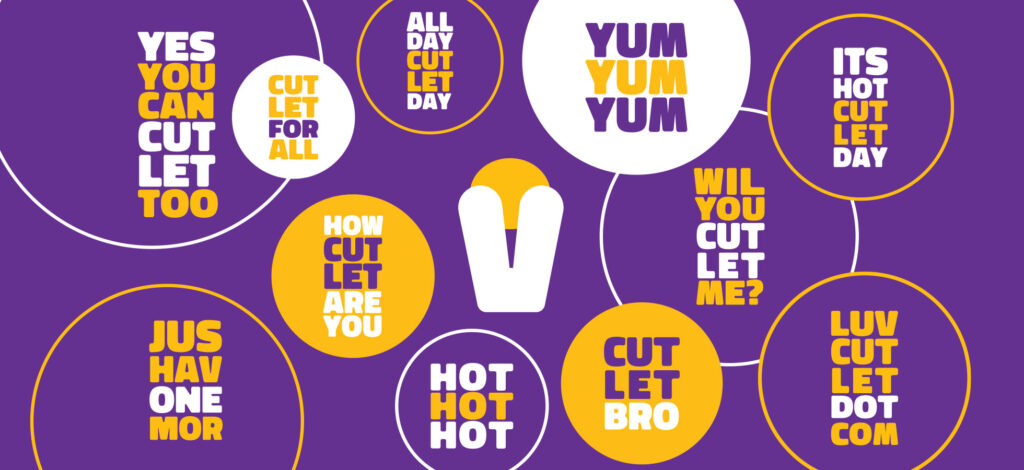
The name came from Luvin himself. LUV CUT LET. Personal, playful, honest. It had his name in it without being precious about it. It felt warm, not corporate.
The packaging was rethought from scratch because if you’re building a brand around cutlets, people need to be able to eat a hot cutlet comfortably on the go. That’s not a design detail. That’s the brand experience.
The store was built with moments in it. Small things that made people want to take out their phones. Not because we asked them to. Because the brand made them feel like it was worth sharing.
What happened after?
People started posting. Talking. Coming back.
Not because of ads. Not because of a discount. Because the brand gave them something to feel and something to say. That’s the difference between a shop and a brand. A shop sells you something. A brand gives you a reason to care.
Luvin is 21. He had never built a brand before. But he did something that most experienced, well-funded founders don’t do, he got the foundation right before he spent money on anything else.
The thing most founders get wrong
When you have an idea, the instinct is to make it real as fast as possible. Get the logo done, Set up Instagram, Start running ads, Figure out the rest later.
The problem is, later is expensive. When the brand isn’t working six months in when ads aren’t converting, when customers aren’t coming back, when nobody can clearly explain what you do or why you’re different the fix isn’t more marketing. The fix is going back to the foundation. And doing it after you’ve already built everything on top of it costs far more, in money, time, and momentum, than doing it first.
A logo is not a brand.
An Instagram page is not a brand.
Even a beautiful visual identity
is not a brand on its own.
A brand is what people think and feel when they encounter you. It’s built from clarity. about who you are, who you’re for, what gap you fill, and why someone should remember you specifically.
That clarity has to come first. Everything else is built on top of it.

Comments
There are no comments yet.